

By Dr. Peter Beddow, BCBA-D
Excerpted from Peter A. Beddow, PhD, BCBA-D, Hope for Autism: A Guide for Parents (Who Sometimes Feel Anxious and Overwhelmed) (Accessible Hope Publishing, 2025).
I’m not independent.
This book would not exist if it were not for my wife. Before her, it was friends, family, pastors, counselors, and people of all kinds who helped me keep moving forward and navigate a complicated life.
That is not a confession of failure. It is a description of being human.
We want children to manage their lives as independently as they are able. We also want them to know when and how to seek help, find people who can walk alongside them, and recognize the areas where they need community.
Independence does not mean isolation.
The Fence in the Hard Ground
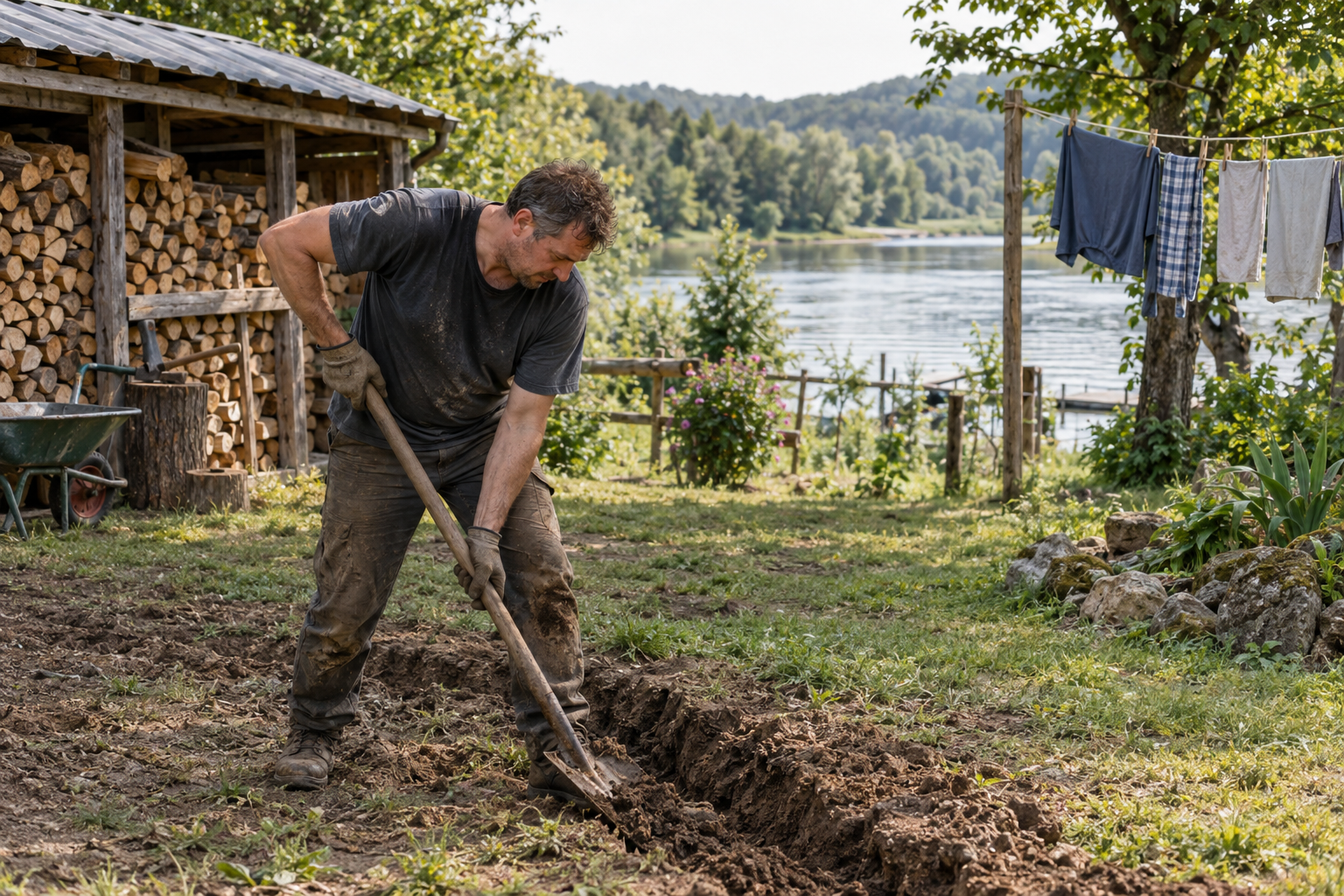
On my birthday one year, I decided to install an electric dog fence. It sounded simple: bury the wire, connect it, and get ready to welcome a dog.
The ground was too hard. After hours of exhausting work, I had made about ten feet of miserable progress, and even that first stretch was not good. I was frustrated and in tears when I called a friend.
He dropped everything and came over. The project was in his wheelhouse. Where my anxiety had frozen me, his calm confidence made the work seem possible. He spent the day helping me solve one problem after another while I followed along and learned.
I could not have finished it alone. And that was independence. I recognized my limit, asked for help, stayed involved, and learned from the person who joined me.
Asking for Help Is a Skill
A child who asks for help is not automatically showing a deficit. The child may be showing good judgment. The important question is not, “Did the child do every part alone?” It is, “Did the child carry the part that was possible and seek help for the part that was not?”
A child may do most of a morning routine alone and ask for help with a stuck zipper. A student may begin an assignment, notice that the directions are unclear, and ask the teacher to explain one part. A teenager may know how to use a bus route but call someone when the route changes.
Those are acts of independence. They show participation, judgment, and connection to other people.
When Help Arrives Too Soon
There is another kind of help that can get in the way. We can step in before a child has had a chance to try. We can finish the task because it is faster. We can give the next prompt before the child has time to think.
Over time, the child may learn to wait for our help even when the child can do the task. This is prompt dependence. It is often created by well-meaning adults who want things to go smoothly.
To prevent it, give the least help the child needs. Pause before adding another prompt. Let the child attempt the next step. If the child succeeds, allow the success to belong to the child. If the child needs help, give enough to move forward, then make room for another try.
Letting Go of the Bicycle
Teaching independence is like running behind a child who is learning to ride a bike. At first, you hold on. You steady the bike and help the child find balance. But you do not hold on forever. At some point, you let go, even though a small fall may come.
That moment is difficult for adults. We do not want the child to struggle. We do not want a mistake, a spill, or a disappointed face. But if we never let go, the child never learns to balance.
Letting go does not mean abandoning the child. It means staying close enough to help when help is needed while allowing the child to carry the part that belongs to the child.
Measure the Right Thing
Do not measure a child against another child’s timeline or against an image of a person who never needs help. Look at the child’s own participation.
Can the child start the task? Can the child complete one more step than before? Can the child tell someone what kind of help is needed? Can the child use a skill with a different person or in a different place?
Independence is not a switch that is either on or off. It grows across tasks and situations. A child may be independent with dressing but need help with cooking. A student may work alone in a familiar room but need support when the schedule changes.
What Adults Can Do
- Teach the child to ask for help and respond to that request respectfully.
- Wait before stepping in.
- Use the smallest useful prompt, then reduce it when the child is ready.
- Let the child experience ordinary mistakes that are safe to make.
- Notice effort, initiation, and problem-solving, not only finished products.
- Teach skills in more than one setting so the child can use them in real life.
- Treat community as part of independence, not as its opposite.
Our goal is for each child to live as independently as the child is able, with dignity and freedom. That goal does not require the child to do everything alone. No one, with or without autism, is an island. Independence means standing tall and reaching for a steady hand when you need it.