
Language
Audience
Topics

Independence Does Not Mean Doing Everything Alone
Independence is not isolation. It includes carrying the part of life a person can carry, asking for help when needed, and learning when adults step…

Why Children Need to Keep Practicing Skills They’ve Already Mastered
How to maintain learned skills through meaningful practice without letting old targets crowd out new learning.
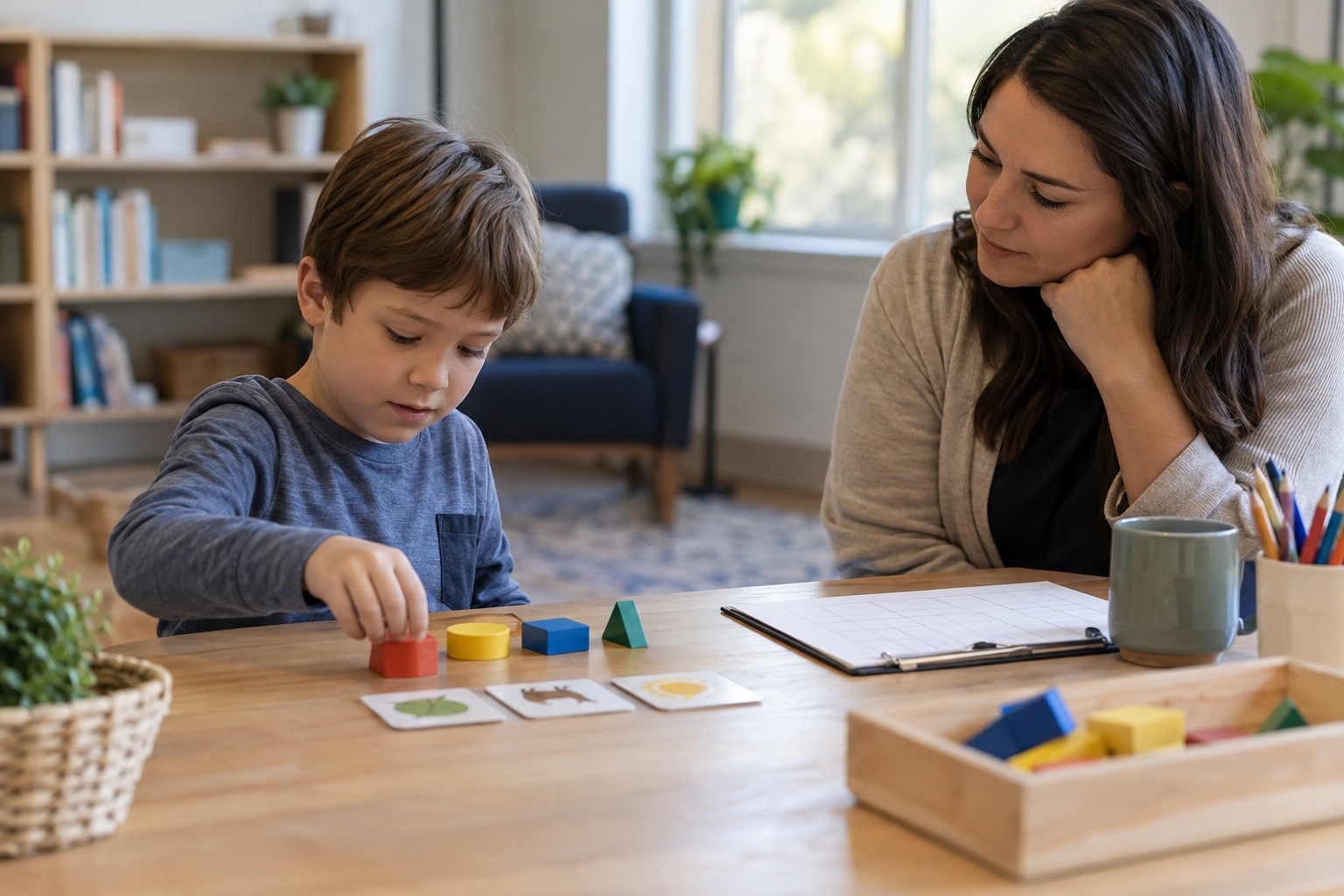
Why 80% Accuracy Doesn’t Always Mean a Child Has Mastered a Skill
Why a percentage must be interpreted with sample size, independence, prompting, targets, and conditions before it supports a mastery decision.

What Is Discrete Trial Training? It’s Not Just Sitting at a Table
What makes a teaching opportunity discrete, why DTT is not defined by a table, and how structured and naturalistic teaching can work together.

How Do You Know When a Child Is Ready to Learn Something New?
Guidance for recognizing when a child is ready for a new instructional challenge while maintaining accurate data and previously learned skills.

The Difference Between Helping a Child and Doing It for Them
A practical guide to prompts, fading, respectful assistance, and preserving a child’s opportunity to do more independently.

Potty Training a Child With Autism: Teaching Them to Recognize When They Need to Go
Individualized, respectful toileting guidance focused on body awareness, communication, comfortable routines, and independence rather than a dry schedule alone.

Why Children Can Do Something With One Adult but Not Another
How differences between adults can reveal useful teaching information and why generalization must be planned across people, materials, and settings.

Errorless Learning: Why We Help Children Get It Right While They’re Learning
A balanced explanation of supportive prompting, prompt fading, independence, and why errorless teaching is not forced compliance.

Incidental Teaching: How Everyday Opportunities Can Expand a Child’s Language
An accessible explanation of how everyday motivation can create meaningful opportunities for functional, increasingly independent communication.

When a Child Refuses: How to Respond Without Turning It Into a Power Struggle
Practical guidance for responding when a child refuses an activity, while honoring communication, teaching safer alternatives, and avoiding unnecessary power struggles.

Crisis Communication: Give the Intervention Room to Work
A practical communication guide for RBTs, teachers, and BCBAs on reducing competing signals, clarifying roles, and debriefing after school-based behavioral crises.

What Do I Do When My Child Starts Hitting Himself or Herself?
A practical, safety-focused article about responding to child self-injury, monitoring for genuine harm, and seeking qualified professional support when needed.

Helping Your Child with Autism Communicate: The Power of Words
A family-facing article about supporting communication, honoring gestures and visual supports, and working with professionals to build a consistent communication plan.